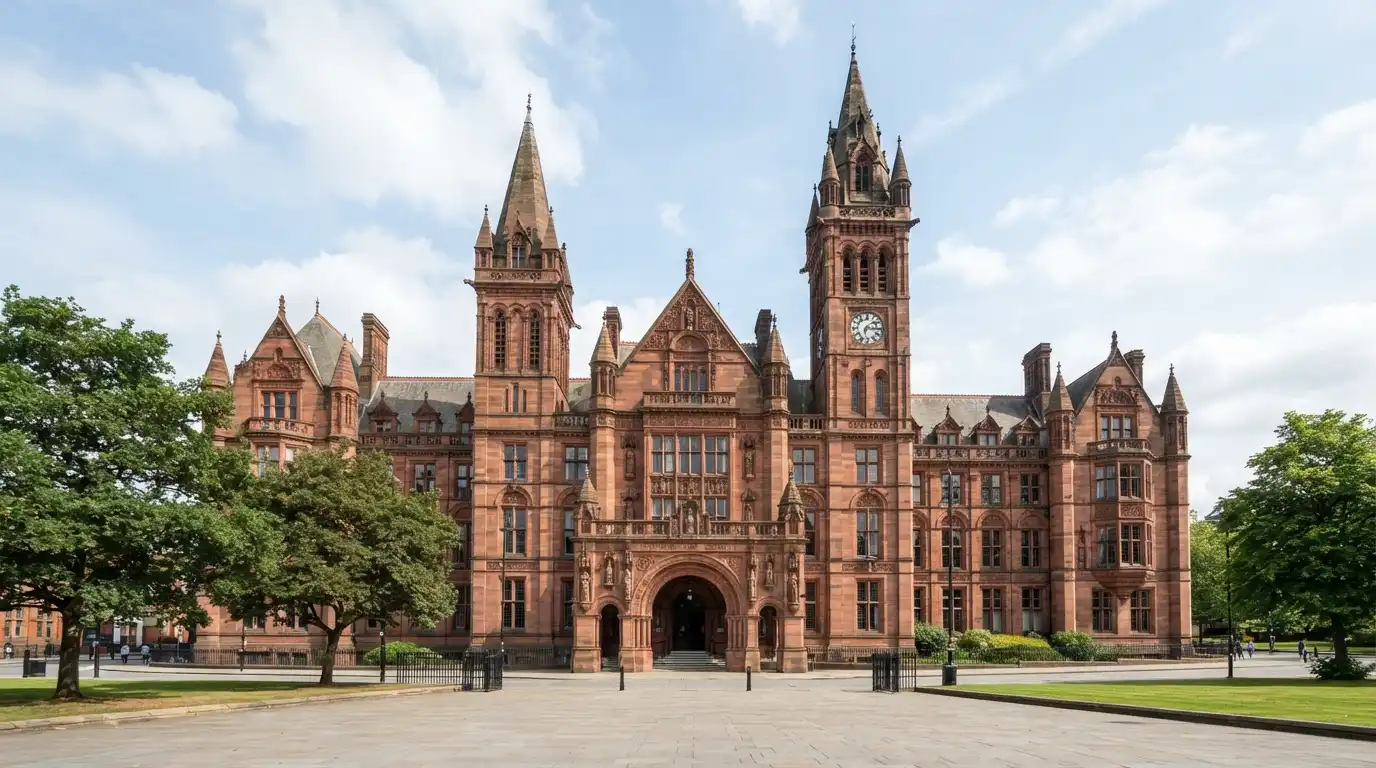
Synonyms of edifice can make your English more precise when you describe a large building, an impressive structure, or a carefully formed system.
Imagine walking past a huge historic courthouse. You might call it a building, but edifice gives the description a more formal and imposing feel.
The phrase synonyms of edifice is useful because edifice can describe both physical structures and ideas. Learning alternatives helps you choose the right word.
For students, bloggers, writers, and daily English users, synonyms of edifice provide useful vocabulary. They help you avoid repetition while keeping your meaning clear.
What Does “Edifice” Really Mean?
An edifice is a building, especially one that is large, impressive, important, or architecturally notable.
In simple English, an edifice is a substantial building or a large structure.
Native speakers usually associate edifice with something more imposing than an ordinary building. The word often appears in formal, literary, historical, architectural, or descriptive writing.
For example, a grand government building, cathedral, palace, university building, or historic monument may be described as an edifice.
The word can also have a figurative meaning. In this use, an edifice can represent a complex system of ideas, beliefs, institutions, or principles.
For example, a writer might describe a political theory as an “intellectual edifice.”
Part of Speech
Edifice is a noun.
Simple definition: An edifice is a large or impressive building, or sometimes a complex system of ideas or beliefs.
Common Contexts
You may encounter edifice in:
- Architecture
- History
- Literature
- Journalism
- Academic writing
- Formal descriptions
- Religious contexts
- Figurative discussions about systems and ideas
Connotative Meaning
Connotation (the feeling or idea that a word suggests beyond its literal meaning) affects how edifice sounds.
Positive Tone
Edifice can suggest grandeur, beauty, importance, strength, permanence, or architectural achievement.
For example, describing a historic library as a magnificent edifice gives it a sense of importance.
Negative Tone
In some contexts, edifice can sound imposing, rigid, or overly grand.
Its figurative use can also describe a complicated system that someone considers artificial or unstable.
For example, a critic might call an outdated theory an “intellectual edifice.”
Neutral Tone
In architectural or historical writing, edifice can simply mean a substantial building.
The word itself does not always express praise or criticism.
Etymology
The word edifice comes from Latin aedificium, meaning “building” or “structure.” It developed from aedificare, meaning “to build.”
Latin aedificium ultimately relates to aedes, meaning “building” or “house,” combined with a root associated with making or constructing.
The word entered English through Old French edifice.
Old English: 450–1100
Edifice was not a common native Old English word. English speakers generally used Germanic vocabulary for buildings and structures during this period.
Latin influence existed in Old English, particularly through religious writing, but the modern English form edifice developed later.
Middle English: 1100–1500
After the Norman Conquest, French vocabulary strongly influenced English. Edifice entered Middle English through Anglo-French and Old French.
Its meaning remained closely connected with a building or constructed structure.
Modern English: 1500–Present
In Modern English, edifice developed both literal and figurative uses.
It can now describe a substantial physical building and, in more abstract writing, a complicated structure of ideas, beliefs, institutions, or arguments.
Pronunciation
Edifice
- US: /ˈɛdɪfɪs/
- UK: /ˈɛdɪfɪs/
Syllables
ed-i-fice
Affixation Pattern of “Edifice”
Root: From Latin aedificium
Prefix: None in the modern English word
Suffix: -ice appears in the English form, but it is not a productive modern English suffix with a simple independent meaning.
The word is best understood as a historical borrowing rather than a modern English word formed through ordinary prefix-and-suffix processes.
Synonyms List
The following synonyms of edifice include close equivalents and context-dependent alternatives. Because edifice specifically suggests a substantial or imposing building, some words are exact substitutes only in particular contexts.
1. Building (Noun) — US /ˈbɪldɪŋ/ | UK /ˈbɪldɪŋ/
Meaning: A building is a constructed structure designed for people, activities, storage, or other purposes.
Examples:
- The old building dominates the town square.
- They restored the building without changing its original design.
2. Structure (Noun) — US /ˈstrʌktʃər/ | UK /ˈstrʌktʃə/
Meaning: A structure is something built or arranged from connected parts.
Examples:
- The stone structure dates back several centuries.
- Engineers inspected the structure after the storm.
3. Construction (Noun) — US /kənˈstrʌkʃən/ | UK /kənˈstrʌkʃən/
Meaning: A construction can mean a built structure or the process of building something.
Examples:
- The massive construction stands beside the river.
- Workers completed the construction last year.
4. Monument (Noun) — US /ˈmɑːnjəmənt/ | UK /ˈmɒnjʊmənt/
Meaning: A monument is a structure built to remember a person, event, or historical period.
Examples:
- The monument attracts visitors throughout the year.
- Local residents protected the historic monument.
5. Landmark (Noun) — US /ˈlændmɑːrk/ | UK /ˈlændmɑːk/
Meaning: A landmark is a recognizable place or structure that has special importance.
Examples:
- The tower became a local landmark.
- Tourists photographed the famous landmark.
6. Building Complex (Noun Phrase) — US /ˈbɪldɪŋ ˈkɑːmpleks/ | UK /ˈbɪldɪŋ ˈkɒmpleks/
Meaning: A building complex is a group of related buildings in one area.
Examples:
- The university opened a new building complex.
- The historic building complex covers several acres.
7. Premises (Plural Noun) — US /ˈprɛmɪsɪz/ | UK /ˈprɛmɪsɪz/
Meaning: Premises refers to a building and the land or property connected with it.
Examples:
- Visitors must leave the premises by six.
- The company moved to larger premises.
8. Establishment (Noun) — US /ɪˈstæblɪʃmənt/ | UK /ɪˈstæblɪʃmənt/
Meaning: An establishment can mean a building or organization created for a particular purpose.
Examples:
- The historic establishment has served the community for decades.
- The hotel became a respected local establishment.
9. Mansion (Noun) — US /ˈmænʃən/ | UK /ˈmænʃən/
Meaning: A mansion is a large and usually impressive private house.
Examples:
- The wealthy family lived in a grand mansion.
- The mansion overlooks the valley.
10. Palace (Noun) — US /ˈpæləs/ | UK /ˈpælɪs/
Meaning: A palace is a large, grand residence associated with royalty or important people.
Examples:
- The palace attracts thousands of visitors.
- The royal palace contains elaborate rooms.
11. Manor (Noun) — US /ˈmænər/ | UK /ˈmænə/
Meaning: A manor is a large country house, especially one associated with a historic estate.
Examples:
- The manor sits in the middle of a large estate.
- Visitors toured the restored manor.
12. House (Noun) — US /haʊs/ | UK /haʊs/
Meaning: A house is a building designed primarily for people to live in.
Examples:
- The stone house has stood there for generations.
- They bought an old house near the coast.
13. Dwelling (Noun) — US /ˈdwɛlɪŋ/ | UK /ˈdwelɪŋ/
Meaning: A dwelling is a place designed for someone to live in.
Examples:
- The ancient dwelling shows signs of early settlement.
- Archaeologists discovered another stone dwelling nearby.
14. Residence (Noun) — US /ˈrɛzɪdəns/ | UK /ˈrezɪdəns/
Meaning: A residence is a place where a person or group lives.
Examples:
- The official residence overlooks the garden.
- The historic residence opened to visitors.
15. Villa (Noun) — US /ˈvɪlə/ | UK /ˈvɪlə/
Meaning: A villa is a large comfortable house, often located in a pleasant setting.
Examples:
- They rented a quiet villa near the coast.
- The villa has a long architectural history.
16. Cathedral (Noun) — US /kəˈθiːdrəl/ | UK /kəˈθiːdrəl/
Meaning: A cathedral is a major Christian church that serves as the seat of a bishop.
Examples:
- The cathedral dominates the historic district.
- Visitors admired the cathedral’s stone arches.
17. Basilica (Noun) — US /bəˈsɪlɪkə/ | UK /bəˈsɪlɪkə/
Meaning: A basilica is a large or important Christian church with a special ecclesiastical status.
Examples:
- The basilica features an enormous dome.
- Tourists gathered outside the basilica.
18. Sanctuary (Noun) — US /ˈsæŋktʃuˌɛri/ | UK /ˈsæŋktʃuəri/
Meaning: A sanctuary can be a sacred place or the main part of a church near the altar.
Examples:
- The sanctuary contains beautiful stained glass.
- Worshippers entered the quiet sanctuary.
19. Temple (Noun) — US /ˈtɛmpəl/ | UK /ˈtempəl/
Meaning: A temple is a building used for religious worship in various traditions.
Examples:
- The ancient temple attracts historians.
- The temple has carefully carved stone walls.
20. Shrine (Noun) — US /ʃraɪn/ | UK /ʃraɪn/
Meaning: A shrine is a sacred place connected with a religious figure, event, or object.
Examples:
- The shrine receives visitors every year.
- The small shrine stands beside the old road.
21. Citadel (Noun) — US /ˈsɪtədəl/ | UK /ˈsɪtədəl/
Meaning: A citadel is a fortified structure or stronghold that protects an important place.
Examples:
- The ancient citadel overlooks the city.
- Visitors climbed toward the stone citadel.
22. Fortress (Noun) — US /ˈfɔːrtrəs/ | UK /ˈfɔːtrəs/
Meaning: A fortress is a strongly protected building or group of buildings designed for defense.
Examples:
- The fortress protected the valley for centuries.
- Soldiers once occupied the massive fortress.
23. Castle (Noun) — US /ˈkæsəl/ | UK /ˈkɑːsəl/
Meaning: A castle is a large fortified residence associated with medieval or later nobility.
Examples:
- The castle rises above the village.
- Visitors walked through the castle courtyard.
24. Stronghold (Noun) — US /ˈstrɔːŋhoʊld/ | UK /ˈstrɒŋhəʊld/
Meaning: A stronghold is a strongly defended place or building.
Examples:
- The hilltop stronghold guarded the route.
- The ruins reveal the size of the former stronghold.
25. Tower (Noun) — US /ˈtaʊər/ | UK /ˈtaʊə/
Meaning: A tower is a tall narrow structure that rises above its surroundings.
Examples:
- The stone tower remains visible from miles away.
- Workers repaired the medieval tower.
26. Skyscraper (Noun) — US /ˈskaɪˌskreɪpər/ | UK /ˈskaɪˌskreɪpə/
Meaning: A skyscraper is a very tall modern building with many floors.
Examples:
- The skyscraper dominates the city skyline.
- A new skyscraper now stands beside the station.
27. High-rise (Noun) — US /ˈhaɪˌraɪz/ | UK /ˈhaɪˌraɪz/
Meaning: A high-rise is a tall building with many levels.
Examples:
- The new high-rise changed the neighborhood skyline.
- Residents moved into the high-rise last summer.
28. Block (Noun) — US /blɑːk/ | UK /blɒk/
Meaning: A block can refer to a large building containing several apartments, offices, or other spaces.
Examples:
- The apartment block needs extensive repairs.
- A new office block opened downtown.
29. Complex (Noun) — US /ˈkɑːmpleks/ | UK /ˈkɒmpleks/
Meaning: A complex is a group of connected buildings or facilities designed for related purposes.
Examples:
- The sports complex covers a large area.
- Workers renovated the government complex.
30. Facility (Noun) — US /fəˈsɪləti/ | UK /fəˈsɪləti/
Meaning: A facility is a building or place designed for a particular activity or service.
Examples:
- The research facility contains modern laboratories.
- The city built a new medical facility.
31. Hall (Noun) — US /hɔːl/ | UK /hɔːl/
Meaning: A hall is a large room or building used for gatherings, activities, or particular purposes.
Examples:
- Students gathered in the main hall.
- The historic hall hosts public events.
32. Auditorium (Noun) — US /ˌɔːdəˈtɔːriəm/ | UK /ˌɔːdɪˈtɔːriəm/
Meaning: An auditorium is a large room or building designed for audiences.
Examples:
- The auditorium holds hundreds of people.
- The school opened a modern auditorium.
33. Pavilion (Noun) — US /pəˈvɪljən/ | UK /pəˈvɪliən/
Meaning: A pavilion is a building or covered structure designed for a particular recreational, exhibition, or public purpose.
Examples:
- The park pavilion hosts community events.
- Visitors rested inside the elegant pavilion.
34. Civic Building (Noun Phrase) — US /ˈsɪvɪk ˈbɪldɪŋ/ | UK /ˈsɪvɪk ˈbɪldɪŋ/
Meaning: A civic building is a public building used for government or community purposes.
Examples:
- The old civic building needs restoration.
- The civic building stands near the central square.
35. Public Building (Noun Phrase) — US /ˈpʌblɪk ˈbɪldɪŋ/ | UK /ˈpʌblɪk ˈbɪldɪŋ/
Meaning: A public building is a structure used by a government, community, or the general public.
Examples:
- The public building opened after extensive repairs.
- The historic public building remains in use.
36. Architectural Work (Noun Phrase) — US /ˌɑːrkəˈtɛktʃərəl wɜːrk/ | UK /ˌɑːkɪˈtektʃərəl wɜːk/
Meaning: An architectural work is a building or designed structure considered as a product of architecture.
Examples:
- The museum is an important architectural work.
- Critics praised the architect’s latest work.
37. Architectural Marvel (Noun Phrase) — US /ˌɑːrkəˈtɛktʃərəl ˈmɑːrvəl/ | UK /ˌɑːkɪˈtektʃərəl ˈmɑːvəl/
Meaning: An architectural marvel is a building or structure admired for exceptional design or engineering.
Examples:
- The bridge is an architectural marvel.
- Visitors gathered to admire the architectural marvel.
38. Grand Structure (Noun Phrase) — US /ˌɡrænd ˈstrʌktʃər/ | UK /ˌɡrænd ˈstrʌktʃə/
Meaning: A grand structure is a large and impressive constructed form.
Examples:
- The grand structure dominates the waterfront.
- Workers preserved the grand structure for future generations.
39. Imposing Structure (Noun Phrase) — US /ɪmˈpoʊzɪŋ ˈstrʌktʃər/ | UK /ɪmˈpəʊzɪŋ ˈstrʌktʃə/
Meaning: An imposing structure is a building or construction that looks large, powerful, or impressive.
Examples:
- The imposing structure stands above the town.
- We could see the imposing structure from the highway.
40. Monumental Structure (Noun Phrase) — US /ˌmɑːnjəˈmɛntl ˈstrʌktʃər/ | UK /ˌmɒnjʊˈmentl ˈstrʌktʃə/
Meaning: A monumental structure is a very large or historically significant construction.
Examples:
- The monumental structure took decades to complete.
- The city carefully preserved the monumental structure.
41. Architectural Masterpiece (Noun Phrase) — US /ˌɑːrkəˈtɛktʃərəl ˈmæstərpiːs/ | UK /ˌɑːkɪˈtektʃərəl ˈmɑːstəpiːs/
Meaning: An architectural masterpiece is a building or structure considered exceptionally successful in design.
Examples:
- The museum is widely admired as an architectural masterpiece.
- The architect designed an architectural masterpiece.
42. Edifice of Ideas (Noun Phrase) — US /ˈɛdɪfɪs əv aɪˈdiːəz/ | UK /ˈɛdɪfɪs əv aɪˈdɪəz/
Meaning: An edifice of ideas is a figurative system built from connected concepts or beliefs.
Examples:
- The theory forms an elaborate edifice of ideas.
- His argument creates a complex edifice of ideas.
43. Framework (Noun) — US /ˈfreɪmˌwɜːrk/ | UK /ˈfreɪmˌwɜːk/
Meaning: A framework is a basic structure that supports a system of ideas, rules, or activities.
Examples:
- The researchers developed a useful theoretical framework.
- The framework supports the entire argument.
44. System (Noun) — US /ˈsɪstəm/ | UK /ˈsɪstəm/
Meaning: A system is a set of connected parts that work together as a whole.
Examples:
- The legal system contains many interconnected rules.
- The organization created a new system for reviewing applications.
45. Institution (Noun) — US /ˌɪnstəˈtuːʃən/ | UK /ˌɪnstɪˈtjuːʃən/
Meaning: An institution is an established organization or social structure with an important role in society.
Examples:
- The university is a respected institution.
- The institution has served the community for generations.
Synonyms of “Edifice” by Tone
The best alternative depends on what you want the reader to notice.
Positive
These choices can suggest beauty, importance, grandeur, or achievement:
- Monument
- Landmark
- Palace
- Architectural masterpiece
- Architectural marvel
- Grand structure
- Cathedral
- Basilica
- Mansion
Neutral
These generally describe a physical structure without adding strong emotional judgment:
- Building
- Structure
- Construction
- Facility
- Complex
- Hall
- Public building
- Civic building
- Residence
- Premises
Negative or Critical
Some alternatives can acquire a negative meaning when the context emphasizes size, rigidity, defensiveness, or complexity:
- Fortress
- Stronghold
- Citadel
- Block
- System
- Framework
These words are not automatically negative. Their tone depends on the surrounding sentence.
Playful or Informal
Edifice itself is relatively formal. In casual English, people normally prefer simpler words such as:
- Building
- House
- Place
- Complex
- Block
- Hall
Tone matters because edifice can sound formal and literary, while building sounds ordinary and conversational.
“Edifice” vs Close Alternatives
Edifice vs Building
Building is the broad, everyday word. It works for almost any constructed structure intended for use by people.
Edifice sounds more formal and often suggests something large, imposing, or architecturally significant.
Use building in everyday conversation. Use edifice when you want a more formal or descriptive style.
Edifice vs Structure
Structure focuses on the constructed form and its physical organization.
Edifice focuses more strongly on the building as a substantial or impressive construction.
For engineering writing, structure often sounds more precise. For historical or literary descriptions, edifice may create a stronger sense of grandeur.
Edifice vs Monument
A monument usually has commemorative or historical significance.
An edifice does not need to commemorate anyone or anything.
A historic government building can be an edifice without being a monument.
How “Edifice” Changes by Context
Daily Conversation
In everyday speech, building usually sounds more natural than edifice.
Someone might say, “That is a beautiful old building.” Saying “That is a beautiful old edifice” is grammatical, but noticeably more formal.
Writing or Blogging
Bloggers can use edifice when discussing architecture, history, heritage, famous buildings, or literary descriptions.
It works especially well when the building feels grand or historically important.
Professional or Academic Tone
Academic and professional writing may use edifice when discussing architecture or when describing a figurative system.
For example, a scholar might refer to the “intellectual edifice” supporting a theory.
Creative or Informal Use
Creative writing can use edifice to create an elevated or dramatic tone.
In informal writing, however, building, house, or structure usually sounds more natural.
Common Mistakes & Native Usage
Mistake 1: Treating “Edifice” as Any Small Building
Edifice generally suggests a substantial building.
Calling a tiny garden shed an edifice may sound humorous or deliberately exaggerated.
Mistake 2: Using “Edifice” in Every Sentence About Buildings
The word has a formal and somewhat literary flavor.
Native speakers usually choose building in ordinary conversation.
Mistake 3: Confusing “Edifice” With “Monument”
Not every edifice is a monument.
A monument normally has commemorative, symbolic, or historical significance, while an edifice can simply be a large or impressive building.
Mistake 4: Assuming “Edifice” Always Means “Beautiful”
The word can suggest grandeur, but it does not automatically mean the building is attractive.
An imposing or controversial building can also be called an edifice.
Mistake 5: Ignoring the Figurative Meaning
Edifice can describe more than architecture.
Phrases such as intellectual edifice, theoretical edifice, and political edifice use the word metaphorically to describe interconnected systems.
Register Notes
Formal: edifice, architectural work, monumental structure, establishment
Neutral: building, structure, facility, complex, residence
More conversational: building, house, place, hall
Written/literary: edifice, grand structure, architectural masterpiece
Spoken everyday English: building is usually the safest choice.
Real-Life Examples Using “Edifice”
Workplace
An architect might describe a newly completed headquarters as an impressive edifice in a formal presentation.
In ordinary office conversation, employees would more likely call it a building.
Social Situations
A traveler might tell a friend, “We visited an enormous old edifice in the city center.”
The more casual version would be, “We visited an enormous old building.”
Media and Pop Culture
A documentary about historic architecture may describe a famous palace or cathedral as a magnificent edifice.
The word works well in narration because it gives the description a formal, historical tone.
Writing and Storytelling
A novelist might describe a dark stone edifice standing alone on a hill.
The formal word can make the setting feel grand, mysterious, or imposing.
Choosing the Right Synonym for “Edifice”
When selecting a synonym, first decide what aspect of the building matters.
Building for simple everyday language.
Structure when physical construction matters.
Monument when historical or commemorative importance matters.
Landmark when the structure is recognizable and significant to a location.
Mansion for a large private home.
Palace for a grand royal or prestigious residence.
Fortress, citadel, or stronghold when defense is central to the structure.
Skyscraper or high-rise for tall modern buildings.
Cathedral, basilica, temple, or shrine when the religious function matters.
Architectural masterpiece when exceptional design is the main point.
For figurative writing, framework, system, or intellectual edifice may work when you are discussing interconnected ideas rather than a physical building.
Practice: Choose the Best Synonym
Choose the option that best fits each situation.
1. Everyday Language
You want to describe a new office building in a simple conversation.
A. Edifice
B. Building
C. Citadel
D. Monument
2. Historic Memorial
A structure was built to honor soldiers who died in a war.
A. Monument
B. House
C. Facility
D. Villa
3. Royal Residence
A huge historic residence once housed a king.
A. Palace
B. Block
C. Pavilion
D. Framework
4. Defensive Structure
A heavily fortified building protected a medieval city.
A. Mansion
B. Fortress
C. Residence
D. Hall
5. Tall Modern Building
A 70-story office building dominates a city skyline.
A. Shrine
B. Manor
C. Skyscraper
D. Dwelling
6. Religious Building
A large Christian church serves as the seat of a bishop.
A. Cathedral
B. Stronghold
C. High-rise
D. Complex
7. Multiple Related Buildings
Several university buildings form one connected development.
A. Building complex
B. Monument
C. Tower
D. House
8. Recognizable City Feature
A historic tower is one of the most recognizable features of a city.
A. Landmark
B. Dwelling
C. Premises
D. Framework
9. Figurative Meaning
A scholar describes a theory as a complicated system of connected ideas.
A. Mansion
B. Intellectual edifice
C. Pavilion
D. Cathedral
10. Technical Context
Engineers examine the physical design and stability of a bridge.
A. Structure
B. Palace
C. Shrine
D. Establishment
11. Large Private Home
A wealthy family lives in a huge, elegant private house.
A. Mansion
B. Citadel
C. Facility
D. Auditorium
12. Public Purpose
A government owns a large building used for community services.
A. Public building
B. Villa
C. Castle
D. Dwelling
13. Historical Country Estate
A large historic country house stands at the center of an old estate.
A. Manor
B. Skyscraper
C. Pavilion
D. Auditorium
14. Audience Venue
Hundreds of people gather inside a large room to watch a performance.
A. Auditorium
B. Fortress
C. Residence
D. Stronghold
15. Exceptional Architecture
A museum receives praise because its design is considered extraordinary.
A. Architectural masterpiece
B. House
C. Block
D. Premises
Reflection Task
Think of a famous building you know. Describe it in two sentences. First, use edifice. Then replace it with a more precise synonym and consider how the tone changes.
Answer Key: 1-B | 2-A | 3-A | 4-B | 5-C | 6-A | 7-A | 8-A | 9-B | 10-A | 11-A | 12-A | 13-A | 14-A | 15-A
Conclusion
Understanding synonyms of edifice helps you describe buildings with greater accuracy. You can choose a simple word or a more formal expression based on your audience.
Words such as building, structure, and landmark work in different situations. More specific choices can show history, function, size, design, or cultural importance.
For students and writers, this vocabulary improves essays, blogs, descriptions, and storytelling. It also makes spoken English more flexible when you need a precise word.
Try using three new alternatives in your next essay, email, or conversation. Regular practice will make these words easier to recognize and use naturally.

Daniel Mercer writes about measurements, dimensions, unit conversions, and the practical meaning of numbers in everyday life. His articles focus on explaining small and large measurements in clear language, using accurate conversions and useful comparisons to help readers develop an intuitive understanding of size and scale.